

For many years, food processing lines were designed to produce a limited number of recipes with long and relatively stable production runs.
Today, this model is changing dramatically.
Manufacturers now have to manage:
- a growing number of SKUs;
- shorter production runs;
- more frequent product changeovers;
- increasingly complex recipes;
- high raw material variability.
This evolution is progressively transforming plant operations.
Flexibility is now becoming just as important as production speed.
In this context, dosing equipment plays a strategic role.
Because when a line must frequently switch from one product to another, maintaining stable distribution becomes far more complex.
1. Food Processing Lines Are Entering the “High-Mix” Era
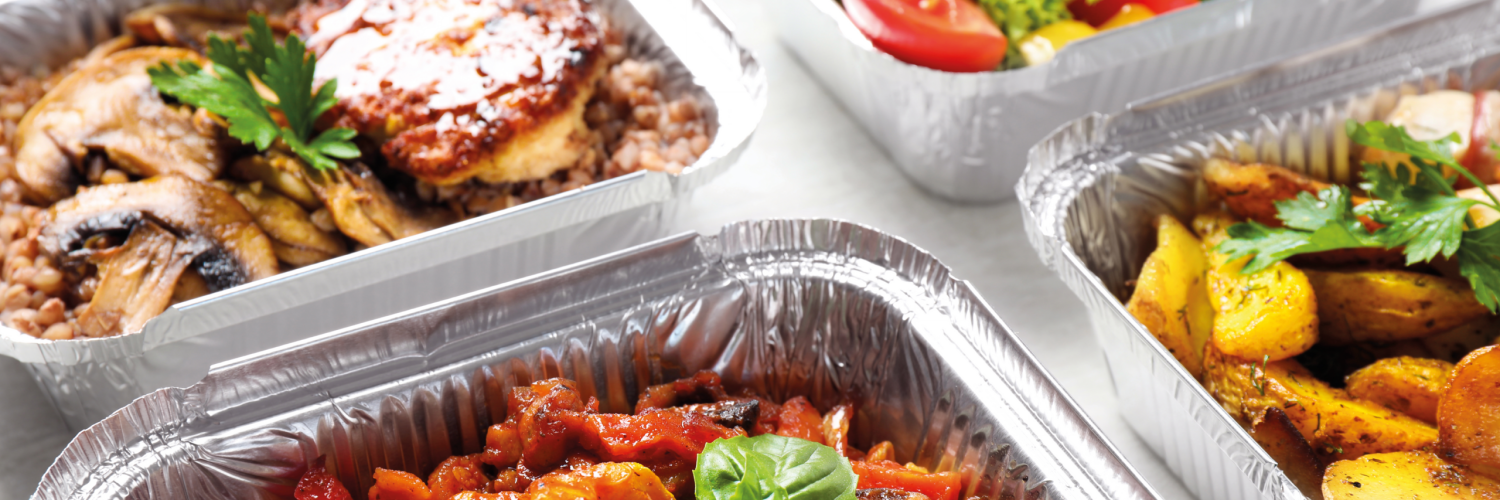
More and more factories are operating with a wide variety of products on the same production line.
This environment requires equipment capable of handling:
- different viscosities;
- multiple textures;
- variable inclusions;
- rapidly changing production speeds;
- more frequent cleaning operations.
Systems designed for a single product or recipe are gradually becoming less suited to these new industrial environments.
The ability to maintain stable production despite variability is becoming a key performance factor.
2. Dosing Is Becoming a Major Flexibility Driver
In flexible production environments, dosing often becomes one of the most sensitive stages of the line.
Why?
Because this is typically where product variations have the greatest impact:
- changing product behavior;
- irregular flow;
- loss of consistency;
- frequent adjustments;
- cleaning between recipes.
Manufacturers are now looking for equipment capable of adapting quickly without compromising production stability.
The goal is no longer simply to produce faster.
Production lines must also be able to switch quickly between products while maintaining stable and controlled operations.
3. The Celtech Approach
At Celtech, we develop dosing solutions designed for today’s evolving food production environments.
Our equipment is engineered to:
- handle different types of products;
- maintain consistent distribution despite variability;
- simplify recipe changeovers;
- reduce downtime;
- support more flexible and scalable food processing lines.
This approach allows manufacturers to adapt their production more easily while maintaining a high level of industrial performance.
The food industry is moving toward production models that are more flexible, more diverse, and more complex.
In this transformation, dosing is gradually becoming a key factor in line stability.
Equipment capable of quickly adapting to different products while maintaining consistent production will become a major strategic advantage for food manufacturers in the years ahead.
Want to make your production line more flexible and secure your product changeovers? Contact the Celtech team to discuss your project.